





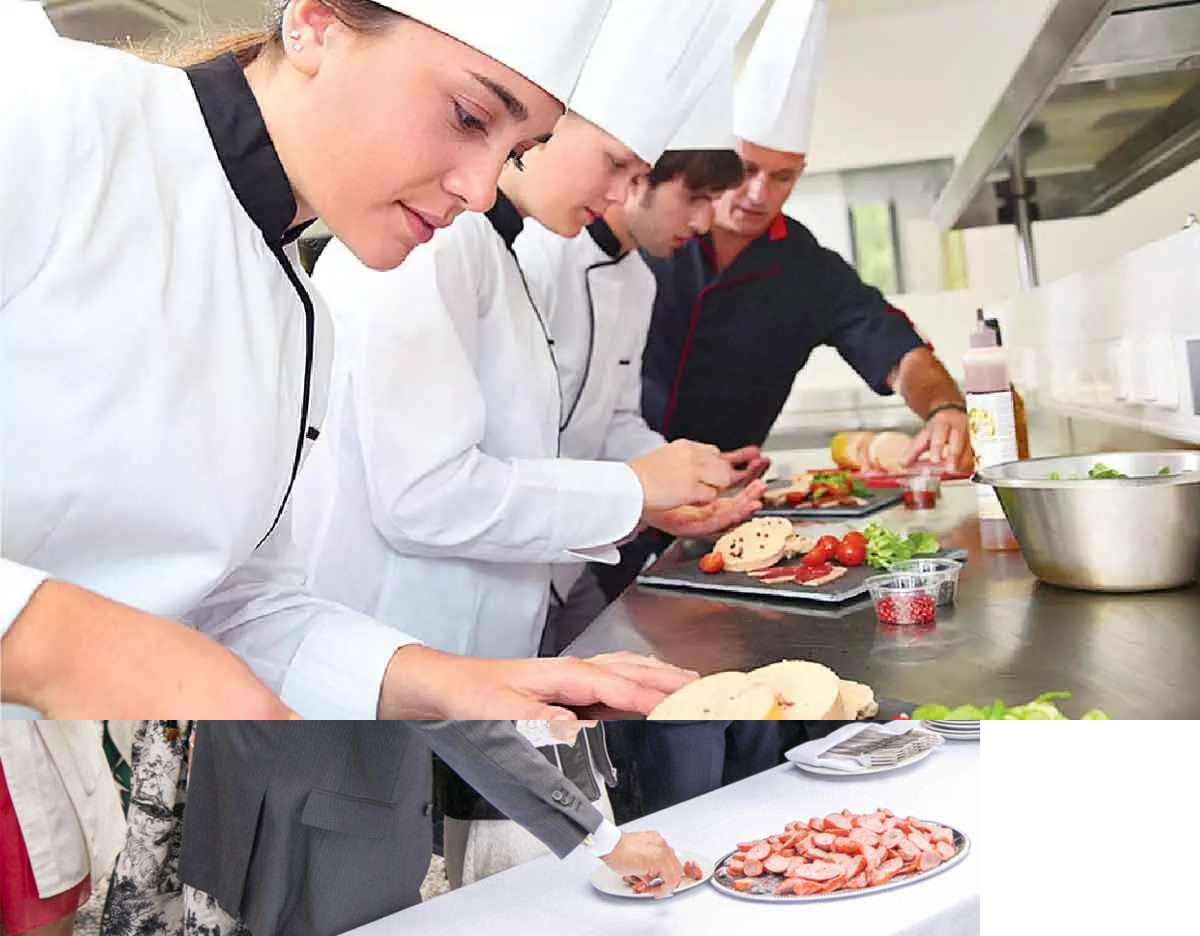
The culinary education landscape has changed dramatically over the past decade. While traditional cooking programs provide a strong foundation, today’s food industry demands more specialized skills that set graduates apart from their peers. Students pursuing degrees in culinary arts, hospitality management, or catering services often discover that their formal education, while comprehensive, may not cover every cooking technique employers seek.
This gap between academic training and industry expectations creates both a challenge and an opportunity. Culinary students who supplement their formal education with specialized training gain a competitive edge when entering the job market. Among the most sought-after skills in today’s restaurant industry is expertise in barbecue cooking, a technique that combines science, artistry, and cultural knowledge.
Why Barbecue Skills Matter in Professional Kitchens
Modern restaurants increasingly incorporate diverse cooking methods to attract customers and differentiate themselves from competitors. Barbecue has moved beyond backyard cookouts to become a sophisticated culinary discipline. High-end establishments now feature smoked meats, grilled vegetables prepared over live fire, and dishes that showcase smoke as a primary flavor component. Students who understand these techniques bring immediate value to employers.
Professional barbecue cooking requires knowledge that extends beyond what most culinary programs can offer in their standard curriculum. Understanding wood selection, temperature control, smoke management, and the chemistry of meat transformation through slow cooking represents specialized knowledge that employers actively seek. When graduates can demonstrate these skills, they open doors to positions in upscale steakhouses, barbecue restaurants, catering companies, and even international establishments exploring American barbecue culture.
Taking a corso barbecue from an experienced provider allows students to gain hands-on experience with professional-grade equipment and learn from instructors who have spent years mastering the craft. This practical experience complements theoretical knowledge gained in traditional culinary schools, creating well-rounded professionals ready for demanding kitchen environments.
Skills Developed Through Professional Barbecue Training
Temperature Management: Learning to maintain consistent heat over extended periods while making real-time adjustments based on weather conditions, meat characteristics, and desired outcomes. This skill transfers to all cooking methods and demonstrates attention to detail that chefs value.
- Flavor Development: Understanding how smoke interacts with different proteins and vegetables, which woods produce specific flavor profiles, and how to balance smoke with other seasonings creates depth of knowledge applicable across multiple cuisines.
- Time Management: Barbecue cooking often involves multiple items with different cooking times and temperatures. Students learn to coordinate complex cooking schedules, a skill that directly translates to managing busy professional kitchens during service.
- Quality Assessment: Developing the ability to judge doneness without relying solely on thermometers, recognizing proper bark formation, and understanding how meat texture changes throughout the cooking process sharpens observational skills used daily in professional cooking.
- Menu Development: Creating dishes that showcase barbecue techniques while fitting into broader menu concepts teaches students how to think creatively about traditional methods and apply them in innovative ways.
According to research from the National Restaurant Association, restaurants featuring barbecue and grilled items reported higher customer satisfaction scores and increased repeat visits. This data suggests that students with barbecue expertise will find themselves in high demand as restaurants seek to meet customer preferences.
The catering sector particularly benefits from professionals trained in barbecue techniques. Corporate events, weddings, and large gatherings increasingly request grilled and smoked menu options that go beyond standard catered fare. Students who can offer these services immediately become more employable and can command higher starting salaries.
Integrating Specialized Training Into Your Academic Journey
The timing of supplemental training matters. Many successful culinary students pursue specialized courses during summer breaks or semester transitions, allowing them to focus intensely on new skills without compromising their academic performance. This approach also provides time to practice and refine techniques before returning to school, where they can apply their new knowledge in lab sessions and student-run restaurant operations.
Some culinary programs now recognize the importance of specialized training and offer credit for completed external courses when they meet specific criteria. Students should consult with academic advisors about how barbecue training might integrate into their degree requirements or count toward practical experience hours.
The investment in specialized training pays dividends throughout a culinary career. Skills learned through professional barbecue courses remain relevant as cooking trends evolve, since fundamental principles of fire, smoke, and heat management apply across many cooking styles. Students who make this investment often report that the confidence gained through mastering a challenging technique helps them approach other culinary challenges with greater assurance.
Professional development extends beyond technical skills. Specialized courses often provide networking opportunities with industry professionals, fellow students from other programs, and instructors with extensive industry connections. These relationships can lead to internship opportunities, job placements, and mentorship that shapes entire careers.
Preparing for Industry Success
The culinary field rewards those who continuously expand their skill sets. While formal education provides essential knowledge, the combination of academic training and specialized practical experience creates professionals who stand out in competitive job markets. Barbecue training represents one pathway to this differentiation, offering skills that remain in demand across various restaurant concepts and catering operations.
Students who take initiative in developing specialized skills demonstrate the self-motivation and commitment to excellence that employers seek in new hires. By the time graduation arrives, these students have both their degree and proven expertise in techniques that many of their classmates may not possess, positioning them for stronger job offers and more interesting career opportunities from day one.

